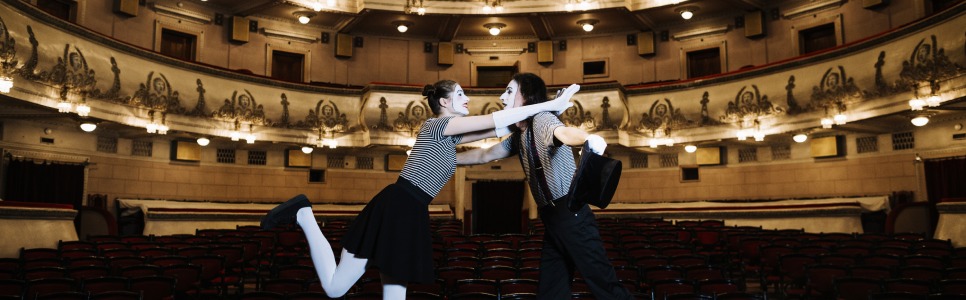
How Live Theatre Is Created
Live theatre is a journey, a mix of imagination, planning, and teamwork. Each stage of the process builds on the last, bringing stories from page to stage.
Idea to Script
Every production starts with an idea. It might come from a memory, a news story, or simply a “what if?” question. Once the concept is clear, it develops into a script, where dialogue, characters, and story structure take shape. Think of the script as the blueprint for the entire show.
Script to Rehearsal
Once the script is ready, rehearsals begin. Actors explore their characters, the director shapes the vision, and designers start planning sets, costumes, lighting, and sound. It's a stage for experimentation and collaboration, where ideas are tested and refined.
Rehearsal to Stage
Rehearsals culminate in performance. Every movement, line, and cue comes together for an audience. Live theatre is unique because each performance is slightly different, shaped by the energy of the performers and the audience.
Roles in a Theatre Team
Theatre is a team effort. Directors guide the vision, actors bring characters to life, and designers create the world around them. Stage managers organise rehearsals and performances, while technicians manage lighting, sound, and props. Understanding each role shows how a production works as a whole.
Generating Ideas
Ideas are the heart of theatre. Learning to find and develop them is an essential part of creative work.
Where Ideas Come From
Inspiration can strike anywhere, through daily life, books, conversations, or even dreams. Keeping your mind open and curious helps you notice ideas worth exploring.
Turning Ideas into Stories
A raw idea becomes a story when you consider characters, conflict, and plot. Ask yourself “what if…?” or “why does this matter?” to explore different possibilities and add depth to your story.
Using Real Life for Ideas
Everyday experiences are full of drama, humour, and emotion. Observing real people and events can provide material for stories that feel authentic and relatable.
Creative Thinking Exercises
Brainstorming, free writing, mind mapping, and improvisation are simple ways to stretch your imagination. Practising these exercises regularly trains your mind to see connections and generate new ideas.
Creative Process Steps
Designing the creative process for a theatre performance may seem daunting, but it can effectively be broken down into simple steps:
- Idea - Find a concept or spark that excites you.
- Planning - Map characters, scenes, and resources.
- Writing - Create dialogue and stage directions.
- Practice - Rehearse and play with performance.
- Feedback - Recognize peer, mentor, or test audiences.
- Performance - Do the work and adjust on the spot.
One goes on to another with this method, thereby integrating the impulse that brings one to the finished performance with the fresh path of the discovery and work that is constructive.
What Makes a Story Good
Strong stories are at the heart of memorable theatre. Understanding the key elements of storytelling can help you craft narratives that engage and resonate with audiences.
A good story begins with a clear theme. The theme gives your story focus and meaning, connecting plot and characters and ensuring that every element contributes to the overall message.
Characters are central to any story. They should feel real, with clear goals, personalities, and growth throughout the narrative. Well-developed characters drive the plot forward and help audiences connect emotionally.
Conflict and change provide the tension and resolution that make a story compelling. Characters must face challenges that test them, creating opportunities for growth or transformation that keep the audience invested.
A clear structure is essential. Organising your story with a beginning, middle, and end helps it flow logically. The beginning sets up the world, the middle develops conflict, and the end provides closure or insight.
Finally, emotional impact is what makes a story unforgettable. Theatre is about feeling, and stories that evoke laughter, sadness, fear, or wonder ensure that audiences remain engaged and remember the experience long after the performance.
Elements to focus upon are as follows:
- A clearly stated theme that carries the narrative
- Characters structured with goals, personalities, and growth
- Conflict that drives change and tension
- A structured story arc
- Emotional impact, which sustains and connects to audience
Creative Skills for Beginners

Theatre offers a wide range of skills that anyone can start learning, and building a strong foundation early makes more advanced practice easier. Learning the essentials of storytelling, including narrative structure, character creation, and dialogue, helps you develop confidence through small stories or brief scripts. Exploring acting fundamentals, such as voice, movement, and presence, alongside improvisation and character exercises, enhances flexibility and expressiveness. Writing for the stage focuses on dialogue, pacing, and visual storytelling, and starting with short scenes or sketches is a great way to practise. Your body and voice are essential tools for storytelling, and learning to use them effectively communicates emotion and intention. Collaboration is also key in theatre; listening, sharing ideas, and respecting different perspectives are just as important as technical skills.
Creative Skills Development
Creativity grows with practice, reflection, and experimentation. Regular rehearsal, writing, and performance exercises build skill and confidence, and consistency matters more than occasional intense bursts. Trying new techniques, experimenting with genres, and using creative prompts expands your imagination and encourages curiosity. Mistakes are part of the learning process - analyse, adjust, and try again, treating every “failure” as an opportunity to improve. Establishing daily creative habits, such as writing, brainstorming, or attending performances, creates momentum and makes creativity a natural part of your routine.
Who This Site Is For
The Creative Stage is for anyone curious about making theatre:
- Beginners who want to understand how theatre works and develop skills.
- Writers and storytellers looking to bring ideas to the stage.
- Creative students seeking practical guidance for projects.
- Anyone who wants to create stories and see them performed.
This site provides practical advice, exercises, and explanations that help you turn ideas into performances, develop your skills, and enjoy the creative journey.
Bring Your Stories to Life
Theatre is, in fact, not performance, but a shared experience that comes through the mediation of imagination. At The Creative Stage, we provide all the guidance, exercises, and insights necessary for you to take your ideas from the white page to the stage - from a stage of chaos to a skilfully constructed sculpture. Whether this is your first script or you want to look into different creative practices, The Creative Stage is about learning, practicing, and storytelling.